

Did you know that over 53 million Americans provide unpaid help to loved ones every single year? This massive effort often leads to extreme burnout because many people try to handle these heavy tasks completely alone.
Managing medical tasks for a relative can feel like a full-time job without a clear plan. Life gets messy when you juggle doctor visits and daily chores without a reliable way to organize the workload.
We are here to help you build a support framework to simplify your life. This setup ensures everyone knows their role so that nothing important ever slips through the cracks during the week.
Our guide will walk you through the process of organizing duties and improving team communication. Let’s turn your daily chaos into a manageable routine that supports your whole household effectively.
Key Takeaways
- Identify core tasks to prevent physical and mental burnout.
- Improve communication among all participating team members.
- Establish a clear routine for specific medical needs.
- Reduce stress through organized duty sharing and schedules.
- Utilize simple tools for better daily task tracking.
- Ensure your loved ones receive consistent and high-quality care.
Why Family Caregivers Need Better Coordination
The journey of family caregiving is fraught with challenges, one of the most significant being the lack of coordination among caregivers. When multiple family members are involved in caring for a loved one, it can be difficult to keep track of schedules, medications, and appointments without a unified system.
Family caregivers often find themselves juggling numerous responsibilities, from managing daily care tasks to coordinating with healthcare professionals. The absence of a coordinated approach can lead to confusion, missed appointments, and even errors in medication administration. This not only affects the quality of care provided but also increases the stress levels of caregivers.
Caregiver support tools can play a crucial role in addressing these challenges. By utilizing a centralized platform for coordination, family members can share information, assign tasks, and stay updated on their loved one’s care plan. This not only simplifies the caregiving process but also ensures that everyone is on the same page.
The benefits of better coordination among family caregivers are multifaceted. It not only improves the efficiency of care but also enhances the overall caregiving experience. By reducing misunderstandings and miscommunications, family caregivers can work together more effectively, providing a higher quality of life for their loved ones.
Moreover, with the help of caregiver support tools, families can navigate the complex healthcare system more easily. These tools offer features such as shared calendars, medication reminders, and secure document storage, making it easier for caregivers to manage their responsibilities.
In essence, better coordination is not just a convenience; it’s a necessity for effective family caregiving. By embracing caregiver support tools and technologies, families can ensure that their loved ones receive the best possible care, while also reducing the burden on themselves.
What Makes a Family Caregiving Coordination System Essential
Effective caregiving requires more than just love and dedication; it demands organization. A family caregiving coordination system is crucial for managing the complex needs of loved ones, ensuring that all aspects of care are handled efficiently and effectively.
Centralized Information Management
A key feature of any family caregiving coordination system is centralized information management. This involves storing all relevant information about the care recipient in one accessible location. Family care management software and elderly care coordination platforms provide a centralized hub where family members can access medical records, care schedules, and important documents.
For instance, a family caregiver can use the software to keep track of medication schedules, doctor’s appointments, and daily care tasks. This centralized approach eliminates the confusion and miscommunication that can arise when information is scattered across multiple platforms or individuals.
| Feature | Benefit |
|---|---|
| Centralized Medical Records | Easy access to medical history and current treatments |
| Care Schedules | Simplified coordination of caregiving tasks and responsibilities |
| Document Storage | Secure storage of important documents, such as advance directives and insurance policies |
Simplified Task Distribution
Simplified task distribution is another critical aspect of a family caregiving coordination system. By using an elderly care coordination platform, family members can easily divide responsibilities and track progress. This not only reduces the burden on primary caregivers but also ensures that all tasks are completed on time.
“Caregiving is not just about providing physical care; it’s also about emotional support and being present for our loved ones.”
Task distribution becomes more manageable with features like shared calendars and task assignment capabilities. Family members can volunteer for tasks or be assigned based on their availability and skills, promoting a more equitable distribution of caregiving responsibilities.
Enhanced Family Communication
Enhanced family communication is vital for effective caregiving. A family caregiving coordination system facilitates open and consistent communication among family members, ensuring everyone is informed and aligned. Family care management software often includes messaging features, update notifications, and shared journals to keep everyone connected.
Regular updates and the ability to share observations or concerns help prevent misunderstandings and foster a collaborative caregiving environment. By enhancing communication, family members can provide more cohesive and supportive care.
Key Benefits of Care Coordination Technology
By leveraging care coordination technology, families can now streamline their caregiving efforts, ensuring better care for their loved ones. This technology offers a comprehensive solution to the complex challenges of caregiving, making it an indispensable tool for modern families.
The benefits of care coordination technology are multifaceted, impacting various aspects of caregiving. From reducing the burden on primary caregivers to enhancing the quality of care provided, the advantages are significant.
Reduced Stress for Primary Caregivers
One of the primary benefits of care coordination technology is the reduction of stress for primary caregivers. By providing a centralized platform for managing care tasks, schedules, and communication, it alleviates much of the organizational burden.
This not only improves the well-being of caregivers but also enables them to provide more focused and effective care.
Improved Quality of Care
Care coordination technology significantly improves the quality of care by ensuring that all caregivers are informed and aligned. Through features like shared calendars and medication tracking, it minimizes the risk of errors and oversights.
Moreover, it facilitates timely interventions and adjustments to care plans as needed, ensuring that the care provided is always appropriate and effective.
Stronger Family Connections
Beyond improving care, care coordination technology also fosters stronger connections among family members involved in caregiving. By providing a shared platform for communication and collaboration, it encourages more active participation and engagement.
This collective approach to caregiving not only strengthens family bonds but also ensures that caregiving responsibilities are distributed more evenly, reducing the likelihood of burnout.
How to Implement Your Family Caregiving Coordination System
Implementing a family caregiving coordination system can significantly ease the caregiving burden. To get started, it’s essential to follow a structured approach that involves several key steps.
Gather Your Care Team
The first step in implementing a family caregiving coordination system is to gather your care team. This involves identifying all family members who will participate in caregiving and defining their roles and responsibilities.
Identify All Family Members Who Will Participate
Start by making a list of all family members who are willing and able to participate in caregiving. This may include siblings, spouses, children, and other relatives. It’s crucial to involve everyone who can contribute to the caregiving process.
- Identify primary caregivers
- Include secondary caregivers who can provide support
- Consider involving close friends or neighbors if they are willing to help
Define Roles and Responsibilities
Once you have identified the family members who will participate, define their roles and responsibilities clearly. This can be done by:
- Assessing the caregiving needs of your loved one
- Assigning tasks based on each member’s strengths and availability
- Creating a schedule to ensure continuous care
Select Your Elderly Care Coordination Platform
The next step is to select a suitable elderly care coordination platform. This involves comparing available caregiver support tools and testing their accessibility.
Compare Available Caregiver Support Tools
Research different caregiver support tools and compare their features, such as:
- Task management capabilities
- Communication features
- Document storage options
Test Platform Accessibility
Before finalizing a platform, test its accessibility on various devices to ensure that it is user-friendly for all team members.

Set Up Care Profiles
After selecting a platform, set up care profiles for your loved one. This includes entering medical information and contacts, as well as uploading important documents.
Enter Medical Information and Contacts
Enter all relevant medical information, including:
- Medical history
- Current medications
- Contact information for healthcare providers
Upload Important Documents
Upload important documents, such as:
- Advance directives
- Insurance policies
- Medical records
Create Care Schedules and Tasks
Create a master calendar and assign specific duties to each care team member.
Build a Master Calendar
Develop a shared calendar that outlines all caregiving tasks and appointments.
Assign Specific Duties
Assign tasks based on the care team’s roles and responsibilities, ensuring that each member knows their duties.
Establish Communication Guidelines
Finally, establish clear communication guidelines to ensure that all team members stay informed.
Set Update Frequency
Decide on the frequency of updates, such as daily or weekly check-ins.
Create Emergency Protocols
Establish protocols for handling emergencies, including contact information for emergency services.
Must-Have Features in Family Care Management Software
Family caregiving can be significantly simplified with the use of advanced family care management software. This type of software is designed to streamline caregiving tasks, improve communication among family members, and ensure that the care recipient receives consistent and high-quality care.
When selecting family care management software, there are several key features to look for. These features can greatly enhance the caregiving experience and provide peace of mind for both the caregivers and the care recipient.
Shared Calendars and Appointment Reminders
One of the most important features is the ability to share calendars and set appointment reminders. This ensures that all family members are aware of upcoming appointments, medication schedules, and other important events. Shared calendars help prevent scheduling conflicts and ensure that caregiving responsibilities are evenly distributed.
Medication Tracking Capabilities
Medication tracking is another crucial feature. It allows caregivers to monitor medication schedules, dosages, and refill reminders. This helps prevent medication errors and ensures that the care recipient adheres to their prescribed medication regimen.
Secure Document Storage
Secure document storage is also vital. It provides a centralized location for storing important documents such as medical records, insurance information, and care plans. This feature ensures that sensitive information is protected and easily accessible to authorized family members.
Mobile Access for On-the-Go Updates
Finally, mobile access is essential for caregivers who are frequently on the go. It allows them to update care plans, communicate with family members, and receive important notifications in real-time. This feature enhances the flexibility and responsiveness of caregiving efforts.
By incorporating these must-have features, family care management software can significantly improve the caregiving experience. It promotes better coordination, reduces stress, and ensures that the care recipient receives the best possible care.
Solving Common Care Coordination Challenges
As families navigate the complexities of caregiving, they often encounter several coordination challenges that can be mitigated with the right approach. Caregiver support tools play a vital role in addressing these challenges, ensuring that care is delivered effectively and efficiently.
Encouraging Reluctant Family Members to Participate
One of the significant challenges in care coordination is getting all family members on board. Some may be hesitant to participate due to various reasons, such as lack of time or feeling overwhelmed. To encourage reluctant family members, it’s essential to clearly communicate the benefits of their involvement and how it can make a difference in the caregiving process.
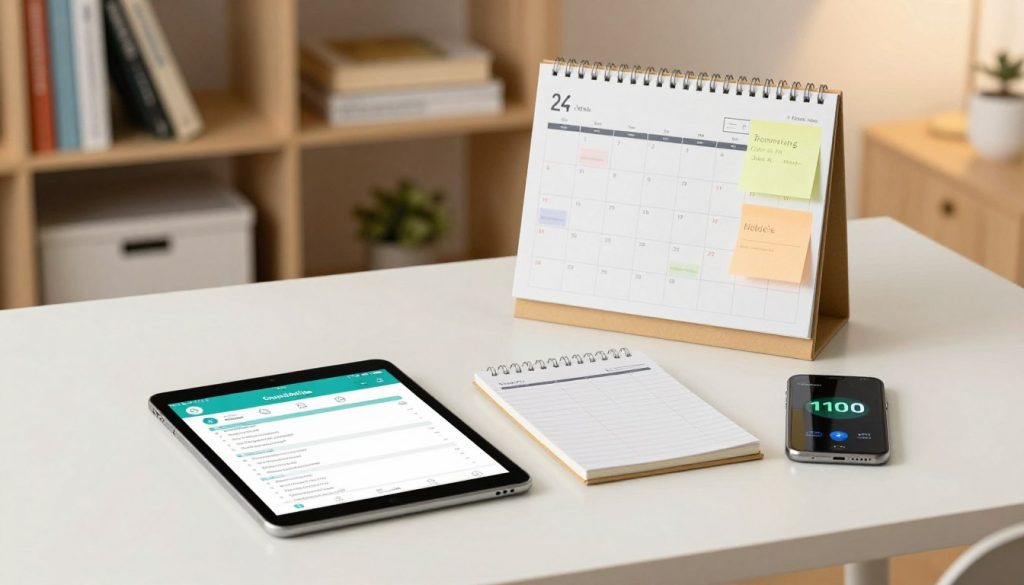
Using caregiver support tools can help facilitate this process. For instance, shared calendars and task management features can be used to assign responsibilities and track progress, making it easier for family members to contribute.
Handling Technology Learning Curves
Another challenge families face is the learning curve associated with new technology. Not everyone is tech-savvy, and this can create a barrier to effective care coordination. To overcome this, it’s crucial to select caregiver support tools that are user-friendly and offer adequate support and training.
Many caregiver support tools offer tutorials, customer support, and user guides to help family members get up to speed quickly. By leveraging these resources, families can minimize the learning curve and maximize the benefits of their chosen tool.
Managing Conflicting Schedules and Time Zones
Caregivers often have to manage conflicting schedules and time zones, especially if family members are geographically dispersed. To address this challenge, utilizing caregiver support tools with scheduling features can be incredibly helpful. These tools allow family members to view each other’s availability and plan accordingly.
Additionally, features like automated reminders and notifications can help ensure that everyone stays on the same page, regardless of their location.
Proven Strategies for Long-Term Success with Caregiver Resources
Achieving long-term success in family caregiving requires more than just coordination; it demands a strategic approach to managing caregiver resources. By implementing the right strategies, families can ensure that their caregiving efforts are both effective and sustainable over time.
Hold Weekly Virtual Care Meetings
Regular virtual meetings can significantly enhance the coordination among family members involved in caregiving. These meetings provide an opportunity to discuss the care recipient’s needs, address any challenges, and make collective decisions. Utilizing a family caregiving coordination system can facilitate these meetings by providing a centralized platform for communication and information sharing.
During these virtual meetings, family members can review the care plan, discuss any changes in the care recipient’s condition, and allocate tasks accordingly. This regular check-in helps in maintaining a cohesive care team and ensures that everyone is on the same page.
Celebrate Caregiving Milestones Together
Celebrating milestones, whether big or small, is crucial for maintaining morale among caregivers. Recognizing achievements such as completing a challenging caregiving task or reaching a significant caregiving anniversary can boost motivation and reinforce the sense of teamwork. Caregiver resources can provide ideas and tools for celebrating these milestones in meaningful ways.
By acknowledging the efforts and dedication of caregivers, families can foster a more positive and supportive caregiving environment. This not only benefits the caregivers but also enhances the overall quality of care provided to the care recipient.
Update Care Plans as Needs Change
The needs of care recipients can change over time, making it essential to regularly review and update care plans. A family caregiving coordination system can help in tracking these changes and adjusting the care plan accordingly. This ensures that the care provided remains relevant and effective.
Updating care plans involves reassessing the care recipient’s needs, revising care schedules as necessary, and ensuring that all family members are informed of the changes. This proactive approach helps in addressing emerging needs before they become significant issues.
Practice Self-Care While Using Family Caregiver Assistance Tools
Caregivers often neglect their own well-being while focusing on the needs of their loved ones. However, practicing self-care is vital for maintaining the physical and emotional health necessary for effective caregiving. Family caregiver assistance tools can help caregivers manage their responsibilities more efficiently, freeing up time for self-care.
By leveraging these tools and prioritizing self-care, caregivers can reduce their stress levels, prevent burnout, and provide higher quality care. It’s essential for families to recognize the importance of self-care and support their caregiving members in this endeavor.
Conclusion
Implementing a family caregiving coordination system can significantly simplify caregiving responsibilities and improve the quality of care for loved ones. By leveraging care coordination technology, families can centralize information, simplify task distribution, and enhance communication.
As discussed, care coordination technology offers numerous benefits, including reduced stress for primary caregivers, improved quality of care, and stronger family connections. By following the steps outlined and utilizing the right tools, families can create a more efficient and effective caregiving process.
By adopting care coordination technology and implementing the strategies outlined in this article, families can ensure that their loved ones receive the best possible care while reducing the burden on caregivers. This leads to a more harmonious and supportive caregiving experience for all involved.